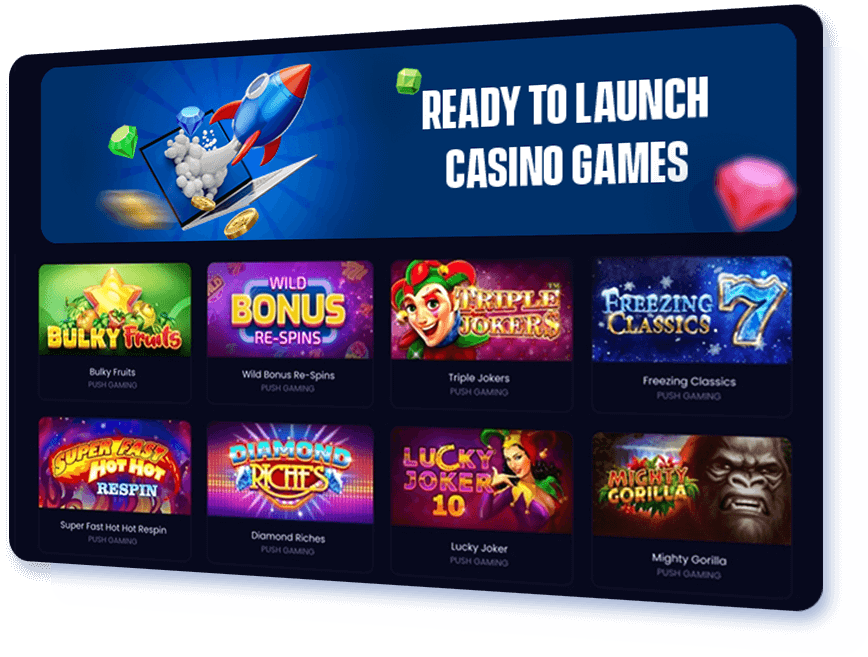
Sound And Visuals: Why They Matter
When I first opened an online casino a few years ago, I thought, naively, that the games alone would be enough to keep me hooked. Turns out, it’s more complicated. The interplay between sound and visuals—those two layers—can transform a flat session into something cinematic, emotional, or, yes, addictive in all the right design ways. Good design doesn’t scream, it invites, and that invitation often starts with a tone and a color palette.
For example, platforms like 1 mln bet use subtle cues in onboarding, from registration to the first deposit, that demonstrate how audio and visuals work together to guide decisions. You notice small things, little nudges, the way a success chime accompanies a completed signup, or how a soft animation leads your eye to the daily free spin. It’s not magic, but it feels a bit like it, and that feeling matters when players decide whether to stay.
Designing For Player Attention
Attention is a scarce resource. A casino platform that understands this will design for rapid comprehension and emotional resonance. I often think about two players: one who knows exactly what they want, and another who is exploring. The successful platform answers both, quickly.
- Clear hierarchy: headlines and CTAs that prioritize action without shouting.
- Progressive disclosure: reveal complexity only when a player asks for it.
- Emotional anchors: small animations and sounds that reward micro-interactions.
Those three points are, I admit, a bit of a checklist approach, but they reflect how visual and sonic elements can create a flow. Flow equals retention, and retention is what keeps a casino afloat beyond flashy marketing and big welcome bonuses.
Audio: The Subtle Architect
Audio design in casinos isn’t just jingles and fanfare. It’s pacing, signaling, and sometimes, restraint. Good audio makes you feel competent, it reassures, and when used sparingly, it emphasizes the moment a player hits a sweet spot on a slot, or completes an identity verification successfully.
A couple of things I’ve noticed: short, crisp sounds are better than long loops that get annoying. Also, volume defaults matter, because many players have audio on but muted otherwise. So a well-designed platform gives clear visual feedback that matches the sound, which matters for accessibility too. And yes, sometimes the click matters as much as the jackpot horn.
Visuals: Clarity, Motion, Reward
Visuals are often the first handshake between a player and a casino. Good typography suggests trust. A balanced palette says modern, or classic, depending on choice. Motion, used judiciously, is where things become lively: micro-animations can indicate that an action is processing, they can confirm payments, or say, hey, your free spins are ready.
Players respond to perceived value. A shiny “NEW” badge or a smoothly animated bonus modal can make a promotion feel more worthwhile. But overdo it and you get clutter, which reduces trust. There’s a balance, and how a gambling site hits that balance often correlates with how long players stay, and how often they return.
Payments, Bonuses And UX Flow
Now, let’s talk about the operational touchpoints: registration, depositing, withdrawing, and claiming bonuses. These are the moments when sound and visuals must work in service of clarity. A successful deposit flow needs to feel immediate, even if verification takes time.
- Payment options that are clearly displayed, with estimated processing times.
- Bonus terms that are readable, not hidden in tiny grey text.
- Feedback at each step, for instance a ringing tone for success, and a calm notification for failures.
To make these comparisons easier for players, a simple table often does the trick. It’s straightforward, no fuss, and it respects the player’s time.
| Method | Deposit Time | Withdrawal Time | Typical Fee |
|---|---|---|---|
| Card (Visa/Mastercard) | Instant | 1-5 business days | Low to none |
| E-Wallets (Skrill/Neteller) | Instant | Within 24 hours | Variable |
| Bank Transfer | 1-3 days | 2-7 business days | Possible bank fees |
| Crypto | Minutes to hours | Minutes to hours | Network fees |
Designers who nail deposits and withdrawals tend to use consistent visual language. Green for success, amber for pending, red for issues, paired with short, audible confirmations. That little confirmation sound after a successful withdrawal request, well, it can make a player breathe a sigh of relief. Small, but meaningful.
Bonuses deserve their own mention. A flashy bonus is tempting, but clarity on wagering requirements, maximum bets, and eligible games is what earns trust. The visual presentation of a bonus—icons, progress bars, and clear expiration timers—often determines whether a player redeems or ignores it altogether.
One caveat: while it’s easy to chase novelty, simplicity scales better. Players get overwhelmed quickly, and casinos that simplify tend to have fewer support tickets and happier reviewers. I say this because I used to get lost on sites that prioritized style over function, and I suspect I’m not the only one.
Conclusion: Sound and visuals in casino design are not decoration, they are language. They tell a player where to go, how to feel, and what to expect. From the first registration chime to the animation that celebrates a bonus, these elements craft the player’s emotional roadmap. Much of great design is invisible because it works so well, but when it fails, you notice immediately. So, invest in clarity, be modest with motion, and use sound to confirm, not distract. That, in my experience, makes the difference between a one-off visit and a returning player.
Rewievs
Quick notes from recent sessions and what players often mention in reviews: some appreciate a quiet lobby with minimal clutter, others want big, celebratory animations for wins. Payment transparency is consistently praised. I noticed reviewers often highlight that the best casinos, the ones they come back to, feel trustworthy. Not just because of secure payments or licensing, but because the interface and audio make the platform feel professional and kind of human.
If you’re building or evaluating a gambling platform, watch how people react to small changes. Apply A/B tests to sounds and micro-animations. Listen to feedback about bonus clarity and withdrawal times. And remember, as much as we like to think players chase big jackpots, often it’s the tiny consistent experiences that keep them playing and recommending.